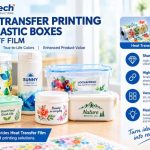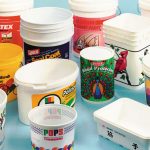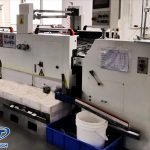
Heat Transfer Printing for Plastic Products | Hdecal
Heat Transfer Printing for Plastic Products is a practical decoration and product identification solution for manufacturers looking to apply logos, brand names, graphics, patterns, symbols, and other visual elements to plastic surfaces.
Using Heat Transfer Film (HTF), printed artwork can be transferred onto suitable plastic products through controlled heat and pressure. Depending on the plastic material, surface condition, product shape, artwork, and production requirements, the process can be developed for a wide range of household products, plastic packaging, containers, and industrial plastic components.
HDEcal provides heat transfer printing solutions for plastic products, including material and film consultation, sample development, testing, and production support.

Heat Transfer Printing for Plastic Products
Read more:
What Is Heat Transfer Printing?
What Is Heat Transfer Printing?
Heat Transfer Printing is a printing and surface decoration process that transfers pre-printed graphics from a specialized transfer film onto a product surface.
For plastic products, the process generally uses a combination of:
- Heat
- Pressure
- Heat Transfer Film (HTF)
- Suitable printing parameters
- Product fixtures or positioning tools
The artwork is prepared and printed on the transfer film before being transferred to the plastic surface. During the transfer process, controlled heat and pressure help the printed layer adhere to the appropriate area of the product.
The final result can be used for brand identification, product decoration, functional markings, patterns, graphics, and other visual information.
At HDEcal, heat transfer printing is developed based on the actual product, plastic material, surface characteristics, artwork, production volume, and required durability.
Heat Transfer Printing for Plastic Products
Plastic products come in many different materials, shapes, colors, surface finishes, and production conditions. Therefore, heat transfer printing parameters cannot be defined by one fixed temperature or one universal process.
HDEcal evaluates the actual product and considers factors such as:
- Plastic material and resin grade
- Product dimensions
- Surface shape and curvature
- Surface texture and gloss
- Product color
- Printing area
- Artwork and color requirements
- Required durability
- Production quantity
- Production speed
- Heat transfer film type
This product-based approach helps determine a suitable Heat Transfer Film and transfer process for each application.
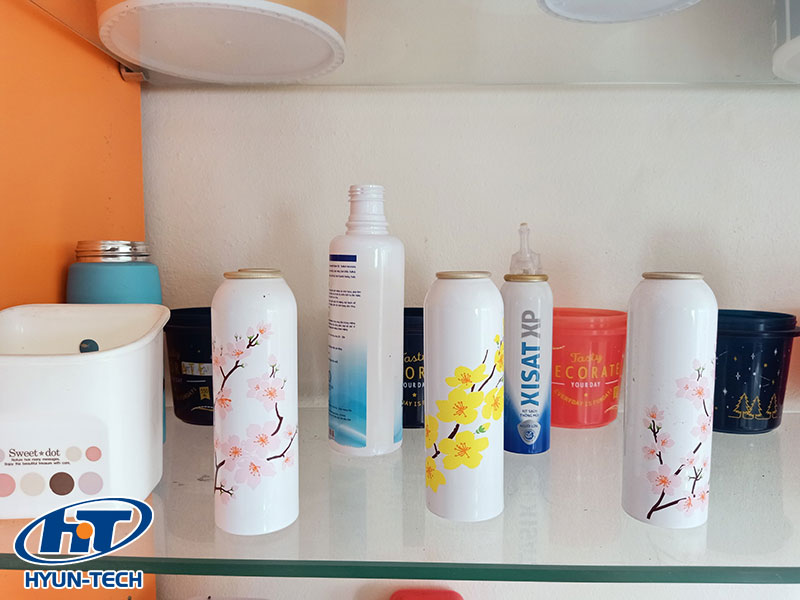
Heat Transfer Printing on Plastic Bottles
Plastic Materials Suitable for Heat Transfer Printing
Heat transfer printing can be developed for different types of plastic products when the material and surface are compatible with the selected film and process conditions.
Common plastic materials include:
PP – Polypropylene
PP is widely used in food containers, storage boxes, household products, packaging, lids, and other plastic products.
Heat transfer printing on PP can be used to add logos, product graphics, patterns, or identification elements, subject to the specific PP grade and surface characteristics.
PET – Polyethylene Terephthalate
PET is commonly used for bottles, containers, packaging, and other consumer products.
Heat transfer solutions can be developed for suitable PET surfaces based on product geometry and required adhesion.
HDPE – High-Density Polyethylene
HDPE is used in bottles, containers, household packaging, industrial products, and other applications.
The appropriate Heat Transfer Film and processing conditions should be evaluated according to the actual HDPE product.
ABS – Acrylonitrile Butadiene Styrene
ABS is frequently used for appliance housings, plastic components, technical products, covers, and other industrial applications.
Heat transfer printing can provide decorative graphics, logos, symbols, and identification markings on suitable ABS surfaces.
PE – Polyethylene
PE is used in a wide variety of packaging, household, and industrial plastic products. Transfer performance depends on the specific PE material, surface condition, and film compatibility.
PVC – Polyvinyl Chloride
PVC products can include packaging, components, profiles, and other plastic applications.
The printing process should be tested according to the specific PVC formulation and surface condition.
PS – Polystyrene
PS is used in packaging, containers, disposable products, and various molded plastic applications.
Heat transfer printing may be developed for suitable PS surfaces after sample testing.
PMMA / Acrylic
PMMA, commonly known as acrylic, is used for displays, decorative components, signs, and various transparent or colored plastic products.
Heat transfer printing can be considered for suitable acrylic surfaces where the required appearance and adhesion can be achieved.
Important: The nominal plastic material alone does not determine the final printing result. Resin grade, additives, pigments, surface treatment, gloss level, coating, and product manufacturing conditions can affect adhesion and appearance. For this reason, HDEcal recommends testing with an actual product sample whenever possible.
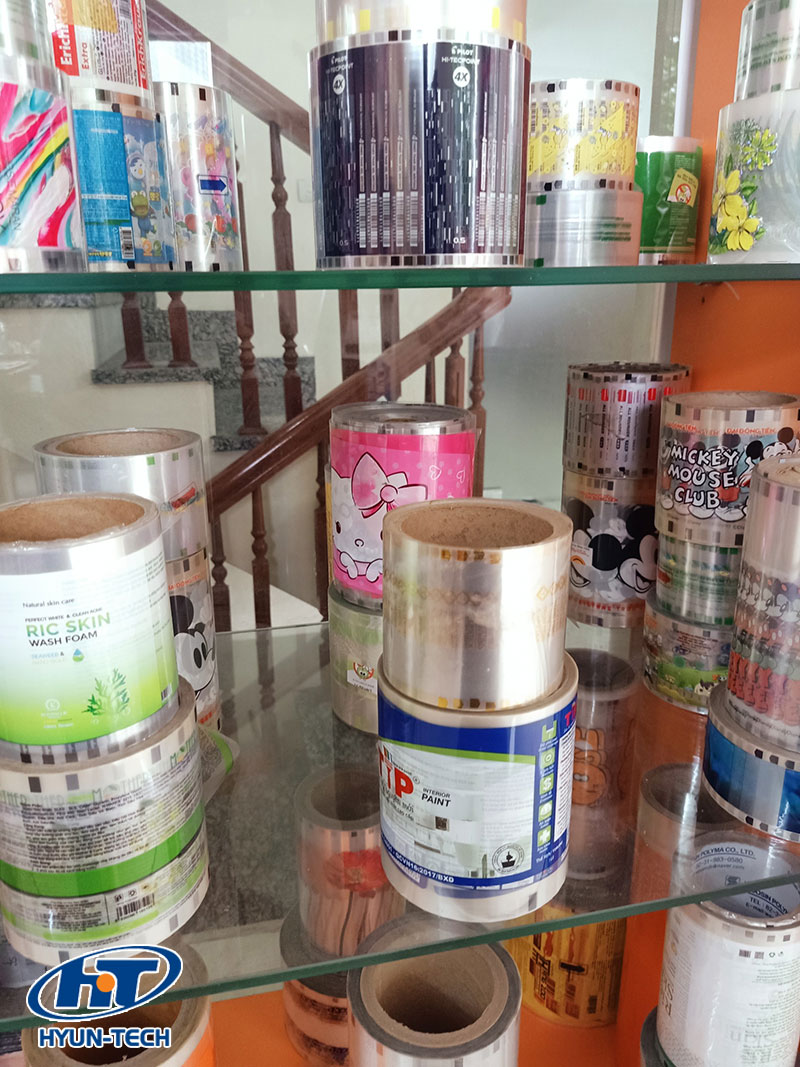
Heat Transfer Film
Applications of Heat Transfer Printing on Plastic
Heat Transfer Printing can be used across a wide range of plastic products.
Plastic Packaging
Applications may include:
- Plastic bottles
- Plastic jars
- Containers
- Food packaging
- Storage boxes
- Plastic lids and caps
- Household liquid bottles
- Packaging components
Logos, product names, decorative graphics, patterns, and other visual elements can be transferred onto suitable surfaces.
Household Plastic Products
Heat transfer printing can be applied to products such as:
- Food containers
- Storage boxes
- Cups
- Trays
- Pots and planters
- Bins and containers
- Kitchen accessories
- Household tools
- Plastic lids and handles
The printing solution can be developed according to the product shape, surface, and intended use.
Industrial Plastic Components
Industrial applications may include:
- Appliance housings
- Plastic covers
- Handles
- Control panels and components
- Technical plastic parts
- Industrial containers
- Product identification components
For industrial products, durability, positioning accuracy, surface compatibility, and production consistency are particularly important.
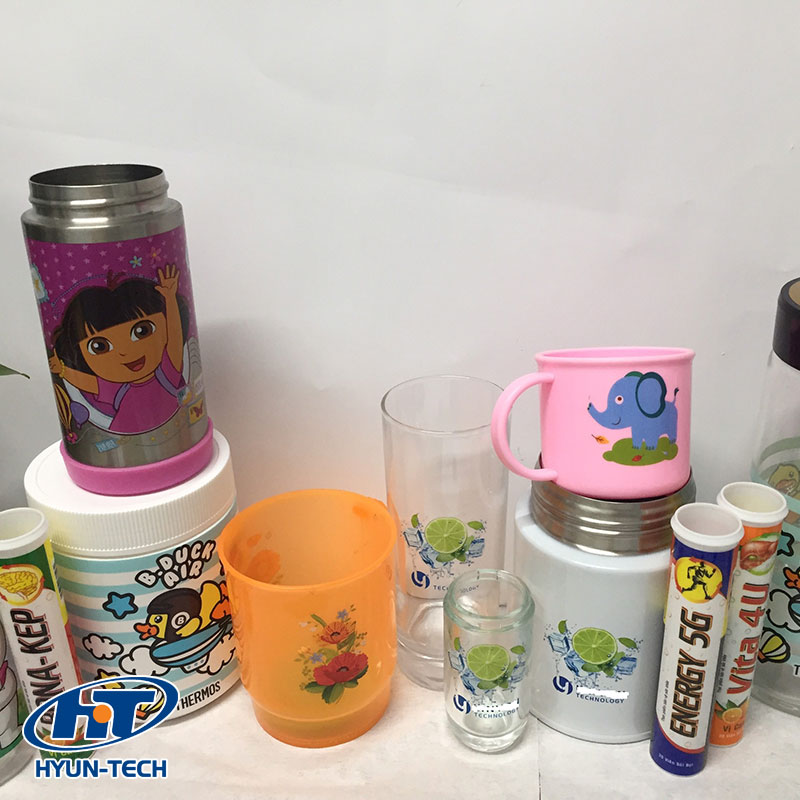
Household Plastic Products
What Can Be Printed on Plastic Products?
Heat Transfer Printing can reproduce a variety of visual elements depending on the selected film and production requirements.
Typical applications include:
- Company logos
- Brand names
- Product names
- Symbols
- Patterns
- Decorative graphics
- Product identification
- Functional markings
- Multicolor artwork
- Promotional graphics
Artwork quality, product color, surface condition, and film selection all contribute to the final appearance.
Heat Transfer Film for Plastic Products
Heat Transfer Film (HTF) is a key component of the heat transfer printing process.
The film carries the pre-printed artwork before the image is transferred onto the target plastic surface.
Selecting the appropriate film depends on factors such as:
- Plastic material
- Surface characteristics
- Product geometry
- Artwork complexity
- Product color
- Required appearance
- Adhesion requirements
- Durability requirements
- Production conditions
A suitable film should therefore be selected based on the actual product rather than simply applying one film type to every plastic material.
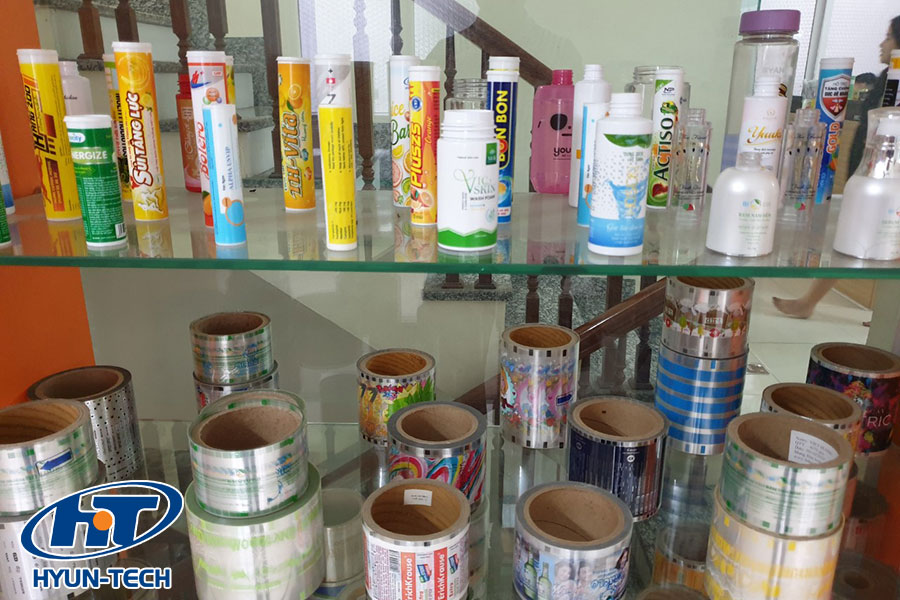
Heat Transfer Film for Plastic Products
Heat Transfer Printing Process
A typical heat transfer printing process for plastic products includes the following stages:
1. Product Sample Evaluation
The actual plastic product is inspected to understand its material, shape, dimensions, surface finish, and printing area.
2. Material and Application Analysis
The plastic type and product requirements are reviewed to determine suitable film and process options.
3. Artwork Preparation
The customer’s logo, graphic, pattern, text, or other artwork is prepared according to the required printing size and position.
4. Heat Transfer Film Selection
A suitable Heat Transfer Film is selected based on the plastic surface and required printing performance.
5. Fixture and Positioning Setup
For products with curved, irregular, or specific positioning requirements, suitable fixtures may be used to maintain consistent print placement.
6. Sample Testing
Initial samples are produced to evaluate:
- Adhesion
- Print sharpness
- Color appearance
- Position accuracy
- Surface coverage
- Resistance requirements
7. Sample Approval
After testing and adjustment, the approved sample becomes the reference for production.
8. Mass Production
Once the printing parameters and film have been confirmed, production can proceed according to the required quantity and specifications.
9. Quality Inspection
Printed products are inspected for appearance, positioning, adhesion, and other agreed quality requirements.
Factors That Affect Heat Transfer Printing Quality
There is no single universal temperature or processing time for every plastic product.
Printing quality can be affected by several variables, including:
- Transfer temperature
- Transfer time
- Pressure
- Heat Transfer Film type
- Plastic material
- Surface finish
- Product geometry
- Fixture design
- Printing speed
- Artwork
- Product color
Incorrect parameters may result in problems such as:
- Film peeling
- Poor adhesion
- Blurred graphics
- Low image sharpness
- Uneven transfer
- Incorrect positioning
- Surface deformation
- Inconsistent appearance
For this reason, sample testing is an important part of developing a reliable heat transfer printing process.
Heat Transfer Printing for Curved and Irregular Plastic Surfaces
Many plastic products are not completely flat. Bottles, containers, handles, lids, housings, and other molded components may have curved or irregular surfaces.
For these applications, the printing process may require specific:
- Film selection
- Fixture design
- Product positioning
- Transfer pressure
- Heating conditions
- Transfer time
The printable area should be evaluated based on the actual geometry of the product.
HDEcal can assess the product sample and recommend a suitable development approach for the required printing area.
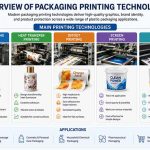
Heat Transfer Printing vs. Other Plastic Printing Methods
Different plastic decoration technologies are suitable for different applications.
Heat Transfer Printing vs. Screen Printing
Screen printing is commonly used for suitable flat or relatively simple surfaces. Heat transfer printing can provide an alternative when the product shape, artwork, or production requirements call for a transfer-film-based process.
Heat Transfer Printing vs. Pad Printing
Pad printing is often used for small or irregular surfaces. Heat transfer printing may be considered when a different visual effect, artwork format, or production approach is required.
Heat Transfer Printing vs. UV Printing
UV printing applies ink directly onto the product surface. Heat transfer printing instead transfers pre-printed artwork from a specialized film.
The appropriate technology depends on the plastic material, product geometry, artwork, production quantity, appearance, and durability requirements.
Heat Transfer Printing vs. In-Mould Labelling (IML)
IML integrates a printed label into the molding process. Heat transfer printing is generally performed after the plastic product has been manufactured.
The two technologies serve different production approaches and should be selected according to product design, production process, volume, appearance, and labeling requirements.
Benefits of Heat Transfer Printing for Plastic Products
When correctly developed for a compatible plastic surface, heat transfer printing can offer several advantages:
- Suitable for a wide range of plastic product designs
- Supports detailed graphics and branding
- Can be developed for curved or shaped products
- Enables decorative and functional markings
- Suitable for different product colors and designs
- Can support customized artwork
- Applicable to household, packaging, and industrial products
- Can be developed from sample testing before mass production
The actual result depends on the material, film, product surface, process parameters, and required performance.
How HDEcal Supports Heat Transfer Printing Projects
HDEcal provides support throughout the development process, from product evaluation to production.
Our services can include:
- Heat transfer printing consultation
- Plastic material evaluation
- Heat Transfer Film selection
- Artwork and printing area consultation
- Product sample inspection
- Sample development
- Transfer testing
- Fixture and positioning consultation
- Production processing
- Mass production support
- Application development for new plastic products
For production projects, the printing solution can be developed according to the actual product and required production volume.
What Information Is Needed for a Heat Transfer Printing Quote?
To evaluate a project and provide a more accurate solution, customers should provide as much of the following information as possible:
- Actual product sample
- Product photos
- Plastic material
- Product dimensions
- Product diameter, height, or circumference where applicable
- Required printing width and height
- Printing position
- Product color
- Surface finish
- Logo or artwork file
- Estimated production quantity
- Required durability
- Intended application and environment
An actual product sample is particularly useful because photos alone may not show the exact surface characteristics, material behavior, curvature, or printing conditions.
Heat Transfer Printing for OEM and ODM Products
Heat transfer printing can be developed for OEM and ODM plastic products that require customized branding or product identification.
The development process can begin with:
Product Sample → Material Analysis → Film Selection → Artwork Preparation → Sample Testing → Approval → Mass Production
This approach allows the printing solution to be evaluated before large-scale production.
Frequently Asked Questions About Heat Transfer Printing
What is Heat Transfer Printing?
Heat Transfer Printing is a process that transfers pre-printed graphics from a specialized transfer film onto a product surface using controlled heat and pressure.
Can Heat Transfer Printing be used on plastic?
Yes. Heat transfer printing can be developed for suitable plastic materials and surfaces, including PP, PET, HDPE, ABS, PE, PVC, PS, and PMMA/acrylic. Compatibility should be confirmed through testing.
What plastic materials can be used for Heat Transfer Printing?
Common materials include PP, PET, HDPE, ABS, PE, PVC, PS, and PMMA/acrylic. However, the specific resin grade, additives, surface treatment, color, and finish can affect the printing result.
Can Heat Transfer Printing be used on curved plastic products?
It can be developed for suitable curved or shaped plastic products. Product geometry, printable area, fixture design, film selection, and process parameters need to be evaluated.
Is Heat Transfer Printing suitable for plastic packaging?
Yes. Applications may include bottles, jars, containers, boxes, lids, caps, and other suitable plastic packaging components.
What determines the Heat Transfer Printing cost?
Pricing can depend on the plastic material, product dimensions, printing area, artwork, number of colors, Heat Transfer Film type, production quantity, product geometry, testing requirements, and durability requirements.
Do you need a physical product sample?
For technical evaluation, an actual product sample is strongly recommended. A physical sample allows the printing surface, material, geometry, and transfer conditions to be assessed more accurately.
Request a Heat Transfer Printing Solution from HDEcal
If you are looking for a Heat Transfer Printing solution for plastic products, HDEcal can evaluate your product and develop a suitable printing approach based on the material, surface, artwork, production volume, and performance requirements.
Please provide:
Product sample + Product photos + Plastic material + Dimensions + Printing area + Artwork + Quantity + Durability requirements
Our team can then evaluate the application, recommend a suitable Heat Transfer Film, conduct sample testing, and support the transition from prototype to mass production.
Contact HDEcal for Heat Transfer Printing consultation and project quotation.
HyunTech – Heat Transfer Films & Industrial Printing Solutions
Hotline: 0332 837 260 – 088.881.3333
Email: contact@hyuntech.com.vn
Office: Lot BT11, Eurowindow River Park Urban Area, Dong Hoi, Dong Anh, Hanoi, Vietnam
Factory: 312 Nguyen Van Linh, Hung Yen, Vietnam
Do you have metal products that need logos, branding, symbols, or decorative graphics? Send your sample to HyunTech for printing consultation, sample testing, and a production-based quotation.