
Types of Heat Transfer Film Used in Industrial Production
Understanding the types of heat transfer film is key for manufacturers looking to improve product quality and efficiency. Different types of heat transfer film are widely used in plastics, packaging, automotive, and electronics industries to create durable and high-quality finishes.
What Is Heat Transfer Film?
Heat transfer film is a multi-layer material designed to transfer printed designs onto substrates (plastic, metal, glass, etc.) using heat and pressure.
Structure of Heat Transfer Film
| Layer | Function |
|---|---|
| PET Base Film | Provides mechanical stability |
| Release Layer | Controls ink transfer |
| Ink Layer | Contains printed graphics |
| Adhesive Layer | Bonds design to substrate |
Typical thickness: 12–25 microns
Transfer temperature: 120°C – 180°C
Transfer time: 3–15 seconds
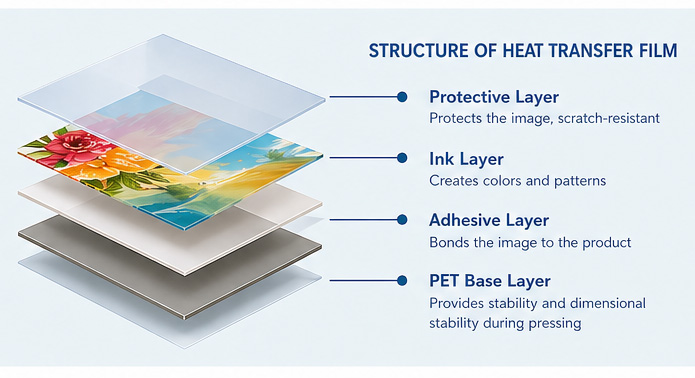
Structure of Heat Transfer Film
Main Types of Heat Transfer Film in Industrial Production
1. Standard Heat Transfer Film (General Purpose)
Description:
The most commonly used type for mass production with simple designs.
Key features:
- Cost-effective
- Suitable for flat or slightly curved surfaces
- Compatible with ABS, PP, PS plastics
Applications:
- Household products
- Plastic containers
- Toys
Technical specs:
- Temperature: 130–150°C
- Pressure: 3–5 bar
- Speed: up to 1,200 pcs/hour
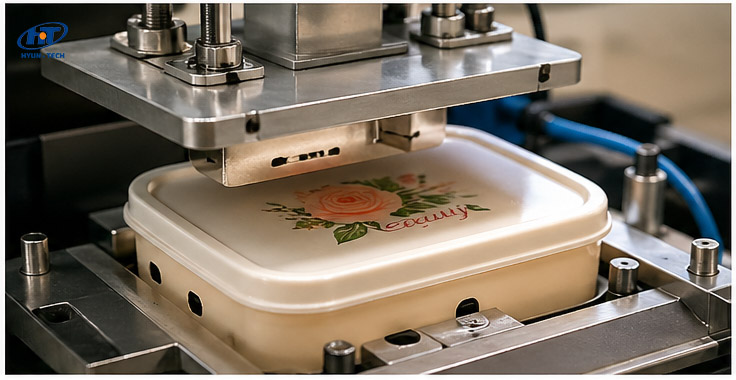
Heat Transfer Pressing Process
2. High-Temperature Resistant Film
Description:
Designed for engineering plastics requiring high heat during molding.
Key features:
- Withstands up to 200°C
- High adhesion strength
- Resistant to abrasion and chemicals
Applications:
- Automotive parts
- Electronic housings
- Industrial components
Materials used:
- Polyimide-based coatings
- High-performance adhesives
3. In-Mold Labeling (IML) Heat Transfer Film
Description:
Integrated directly into the injection molding process.
Key features:
- Permanent bonding with product
- High-end finish (glossy/matte)
- Scratch-resistant
Applications:
- Food packaging
- Cosmetic containers
- Premium product branding
Production efficiency:
- Eliminates secondary printing process
- Reduces labor cost by 20–30%
4. Vacuum Heat Transfer Film
Description:
Used for complex 3D surfaces where traditional pressing is not effective.
Key features:
- Covers irregular shapes
- Uniform transfer quality
- High precision
Applications:
- Curved plastic parts
- Automotive interiors
- Decorative panels
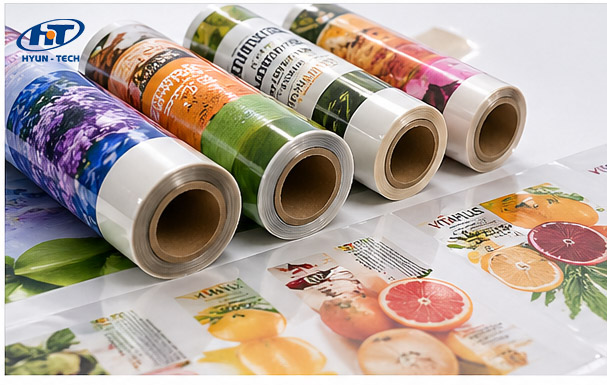
Heat Transfer Film Rolls (Printed)
5. Metallic & Special Effect Film
Description:
Films with visual effects like metallic shine, holographic, or textured finishes.
Key features:
- Premium appearance
- UV-resistant coatings
- Customizable effects
Applications:
- Luxury packaging
- Electronics branding
- Promotional products
Comparison of Different Heat Transfer Films for Plastic
| Film Type | Cost Level | Durability | Surface Compatibility | Best Use Case |
|---|---|---|---|---|
| Standard Film | Low | Medium | Flat/Light curve | Mass production |
| High-temp Film | Medium-High | High | Engineering plastics | Automotive |
| IML Film | High | Very High | Injection molding | Premium packaging |
| Vacuum Film | Medium | High | Complex shapes | 3D products |
| Metallic Film | High | Medium | Decorative surfaces | Branding |
Heat Transfer Film Materials and Types
Common Materials
- PET (Polyethylene Terephthalate): Base film standard
- OPP (Oriented Polypropylene): Flexible applications
- PVC-based films: Low-cost option (less eco-friendly)
- Polyimide films: High-temperature resistance
Ink Types
- Solvent-based inks
- UV-curable inks
- Eco-friendly water-based inks
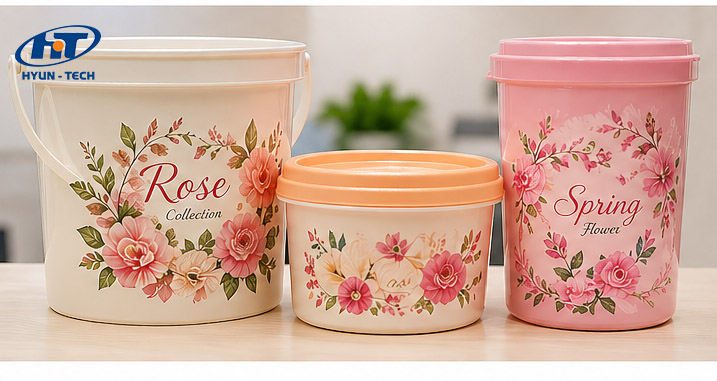
Finished Product After Heat Transfer
Heat Transfer Film Applications in Industry
Heat transfer film plays a critical role across multiple industries:
1. Plastic Manufacturing
- Buckets, containers, caps
- Appliance housings
2. Automotive Industry
- Dashboard panels
- Interior trims
3. Electronics
- Device casings
- Branding labels
4. Packaging Industry
- Food containers
- Cosmetic jars
Cost & Pricing Table (2026 Reference)
| Film Type | Price (USD/m²) | MOQ | Lead Time |
|---|---|---|---|
| Standard Film | $0.8 – $1.5 | 500 m² | 7–10 days |
| High-temp Film | $1.5 – $3.0 | 500 m² | 10–15 days |
| IML Film | $2.5 – $5.0 | 1,000 m² | 15–20 days |
| Vacuum Film | $1.8 – $3.5 | 500 m² | 10–15 days |
| Metallic Film | $3.0 – $6.0 | 1,000 m² | 15–25 days |
Note: Prices vary depending on design complexity, color layers, and order volume.
How to Choose the Right Heat Transfer Film for Manufacturing
When selecting the right heat transfer film for manufacturing, consider:
- Material of substrate (PP, ABS, PE, etc.)
- Surface complexity (flat vs 3D)
- Production volume
- Durability requirements
- Budget constraints
Why Choose Hyuntech for Heat Transfer Film Solutions?
If you’re looking for a reliable partner in industrial printing, Hyuntech stands out as a leading provider of heat transfer film applications in industry.
Key Advantages of Hyuntech:
- ✔ Advanced production technology (IML, vacuum transfer, high-temp films)
- ✔ Custom design & engineering support
- ✔ Stable quality for mass production
- ✔ Competitive pricing for large-scale orders
- ✔ Fast delivery in Vietnam & international markets
Real Business Impact:
- Reduce defect rate by up to 15%
- Increase production efficiency by 20–30%
- Enhance product aesthetics → higher market value
Conclusion
Understanding the types of heat transfer film is essential for any manufacturer aiming to improve efficiency, reduce costs, and elevate product quality.
From standard films to IML and high-performance solutions, each type serves a specific industrial purpose. Choosing the right film can significantly impact your production success.
👉 Looking for the best heat transfer film solution for your factory?
Contact Hyuntech today for consultation, samples, and a customized quote tailored to your production needs.
read more: Heat Transfer Printing Process Explained (Step-by-Step)
Bài viết cùng chủ đề
-
 Industrial Packaging Printing Solutions for Plastic Products
-
 Vì sao cần in chai dung dịch vệ sinh khi kinh doanh?
-
 Đâu là công nghệ in chai serum thủy tinh thịnh hành hiện nay?
-
 In Mould Labeling Explained: Why Brands Are Switching
-
 Packaging Solutions for Global Brands: Standards & Innovation
-
 Disadvantages of In Mould Labeling You Must Know