
Heat Transfer Printing on Plastic Toys | Hyuntech
Heat transfer printing on plastic toys is an effective decoration method for manufacturers seeking vibrant colors, detailed graphics, consistent quality, and efficient mass production. This technology transfers printed designs from a specially prepared film onto plastic surfaces using controlled heat, pressure, and processing conditions.
For toy manufacturers, OEM suppliers, and private-label brands, heat transfer printing offers a practical way to create attractive products while maintaining consistent branding across production batches. Depending on the toy material, surface geometry, and performance requirements, the printing system can be customized for different designs, colors, and production volumes.
Hyuntech provides heat transfer film solutions for industrial applications, helping manufacturers evaluate suitable materials and printing processes for plastic toys, children’s products, and customized plastic components.
Read more:
Heat Transfer Printing on Wood | HyunTech
Heat Transfer Printing on Glass Cups | Hyuntech
Heat Transfer Printing on Plastic Housings | Hyuntech
Heat Transfer Printing on Plastic Bottles | HyunTech
Heat Transfer Printing on Plastic Caps | Hyuntech
Heat Transfer Printing on Plastic Cups | Hyuntech
Heat Transfer Printing on Plastic Trays | Hyuntech
Heat Transfer Printing on Plastic Containers | Hyuntech
Heat Transfer Printing on Plastic Parts | Hyuntech
Heat Transfer Printing on Plastic Toys | Hyuntech
Heat Transfer Printing on Metal Boxes | Hyuntech
Heat Transfer Printing on Metal Bottles | Hyuntech
Heat Transfer Printing on Metal Utensils | HyunTech
Heat Transfer Printing on Glass Bottles | HyunTech
Heat Transfer Printing on Glass Jars | HyunTech
What Is Heat Transfer Printing on Plastic Toys?
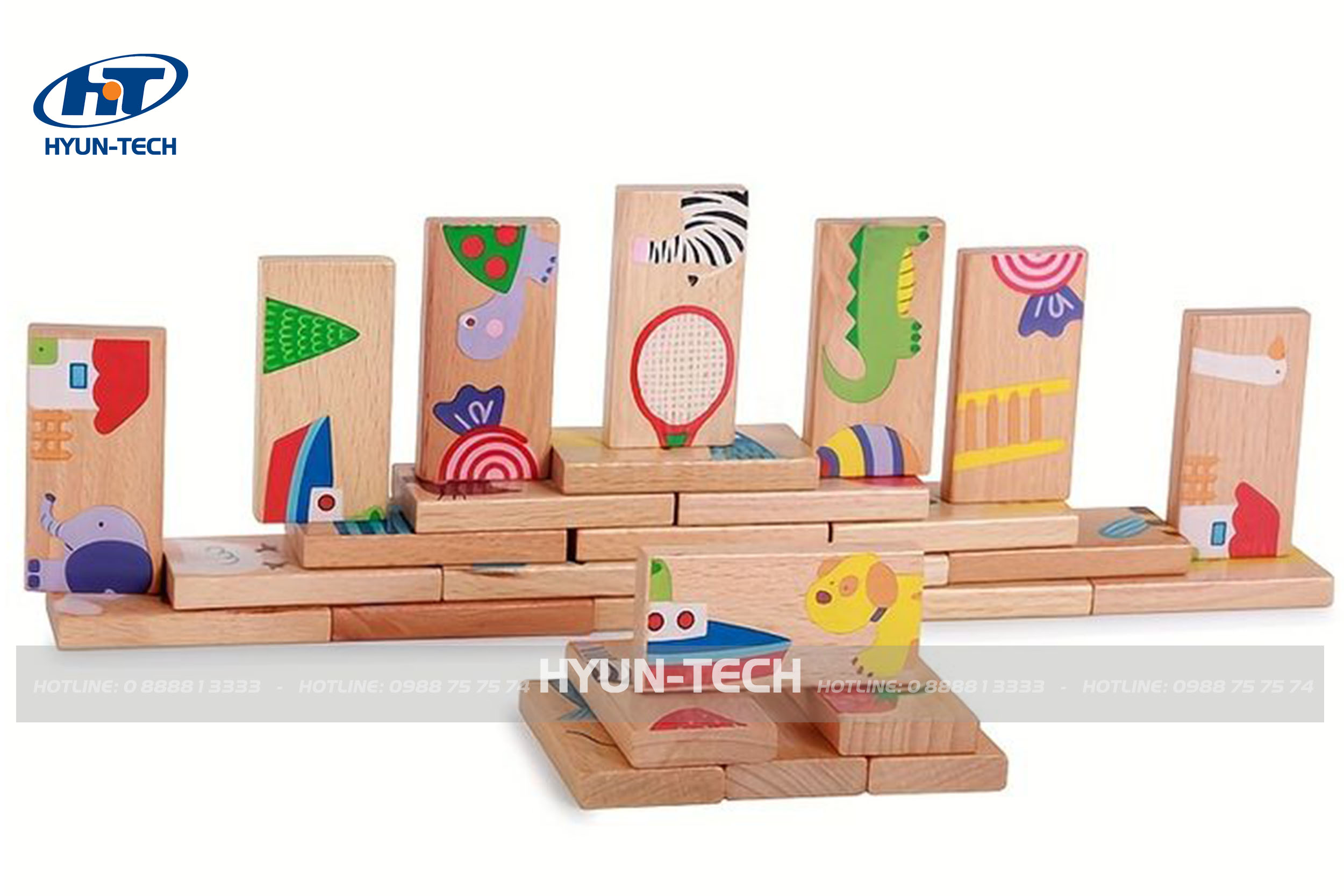
Heat transfer printing on plastic toys is a surface decoration process that uses heat and pressure to transfer a pre-printed design from a carrier film onto a plastic component. The design may include logos, characters, patterns, decorative details, instructions, and brand graphics.
Unlike conventional printing methods that apply ink directly to a product, heat transfer printing prepares the design on a transfer medium before applying it to the target surface. This approach can improve graphic consistency and simplify decoration for suitable plastic parts.
Common applications include:
- Plastic dolls, action figures, and miniature characters
- Toy cars, trucks, and other vehicle models
- Building blocks and educational toys
- Plastic kitchen sets and pretend-play accessories
- Toy housings, panels, and decorative components
- Branded promotional toys and OEM products
The final result depends on the plastic substrate, film construction, ink system, surface geometry, and transfer conditions. Material compatibility should therefore be confirmed before mass production.
How Heat Transfer Printing Works for Plastic Toys
The heat transfer process involves several stages, from artwork preparation to finished-product inspection. Each stage affects print clarity, adhesion, and production consistency.
Artwork Preparation and Film Printing
The design is prepared digitally according to the dimensions, shape, and decoration area of the plastic toy. Colors, graphic positioning, fine details, and repeat patterns are checked before the design is printed onto the appropriate transfer film.
For complex character graphics or multicolor toy designs, artwork preparation should account for the final viewing angle, curved surfaces, and any areas that may be difficult to reach during transfer.
Transfer Film Positioning
The printed film is positioned over the target surface using a suitable fixture or alignment system. Accurate positioning is particularly important for toys with small decorative areas, symmetrical designs, or multiple printed components.
Heat and Pressure Application
The transfer equipment applies controlled heat and pressure for a specified period. The exact settings depend on the film system, plastic material, component geometry, and equipment configuration.
Excessive heat can deform certain plastic components, while insufficient heat or pressure may cause incomplete transfer. Production parameters should be established through sample testing rather than applying one universal setting to every toy.
Cooling, Film Removal, and Quality Inspection
After transfer, the component is processed according to the film manufacturer’s requirements. The carrier film is removed when applicable, and the finished surface is inspected for registration accuracy, color consistency, incomplete transfer, wrinkles, scratches, and other visible defects.
Which Plastic Materials Are Suitable for Heat Transfer Printing?
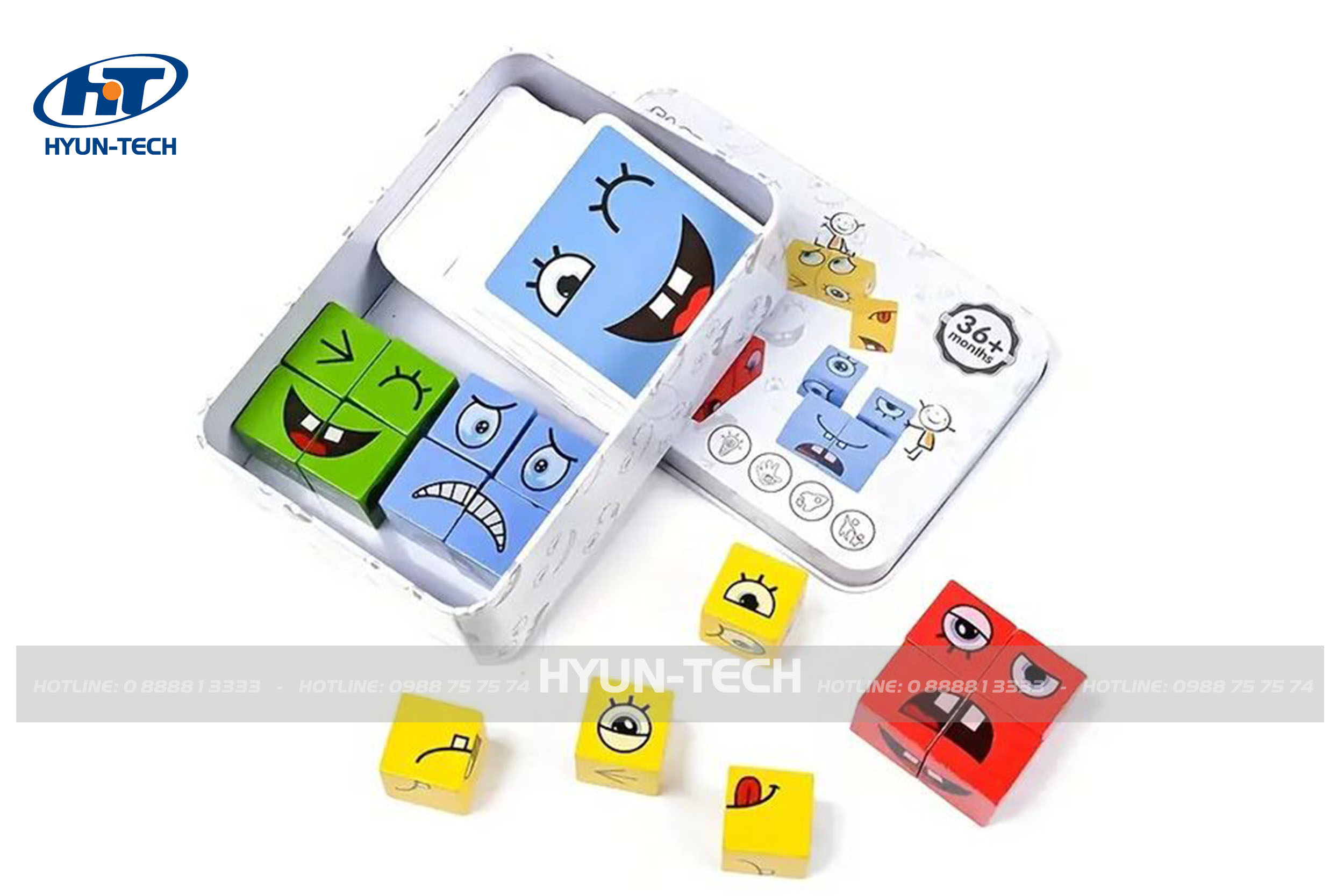
Not every plastic material responds identically to heat transfer printing. The resin type, surface finish, component thickness, and heat resistance all influence the selection of transfer film and processing conditions.
| Plastic material | Common toy applications | Key considerations |
|---|---|---|
| ABS | Toy vehicles, figures, rigid housings | Evaluate surface compatibility and heat resistance |
| PP | Toy containers, household-style play accessories | Surface treatment or a compatible transfer system may be required |
| PE | Selected molded toy components | Low surface energy can make adhesion challenging |
| PS | Lightweight toy parts and decorative components | Control processing temperature to reduce deformation risk |
| PVC | Selected flexible or rigid toy components | Confirm compatibility with the specific PVC formulation and applicable safety requirements |
| PC | Transparent or durable toy components | Test for surface compatibility, appearance changes, and stress-related defects |
Material compatibility must be verified for the actual resin grade, colorants, additives, mold-release agents, and surface finish. A transfer film that works well on ABS, for example, should not automatically be assumed to work equally well on PP or PE.
How to Select Heat Transfer Film for Plastic Toys
Choosing the right film is essential for achieving stable decoration quality and efficient production.
Important selection criteria include:
- Plastic compatibility: The film and ink system must adhere appropriately to the target resin.
- Graphic requirements: Fine lines, multicolor images, solid colors, and photographic designs may require different print constructions.
- Surface geometry: Flat, curved, textured, and recessed surfaces place different demands on the transfer process.
- Production conditions: Cycle time, equipment capability, temperature control, and pressure consistency affect productivity.
- End-use requirements: Children’s toys may require additional evaluation of abrasion resistance, chemical migration, and other applicable product-safety criteria.
Hyuntech can be consulted regarding heat transfer film options for plastic decoration. Final material selection should be based on the actual toy sample and intended manufacturing conditions.
Technical Specifications for Heat Transfer Printing on Plastic Toys
Technical parameters should be established for each combination of plastic material, transfer film, and production equipment. The following table provides an initial engineering checklist rather than guaranteed operating specifications for every application.
| Parameter | Initial evaluation requirement | Purpose |
|---|---|---|
| Plastic substrate | Identify the exact resin grade | Confirm material compatibility |
| Film construction | Select according to substrate and graphic requirements | Support transfer and surface performance |
| Transfer temperature | Determine through supplier guidance and trials | Achieve transfer without damaging the toy |
| Transfer pressure | Establish according to equipment and component geometry | Promote consistent contact |
| Dwell time | Optimize through sample testing | Balance transfer quality and cycle time |
| Print registration | Set according to artwork and product tolerances | Maintain accurate graphic positioning |
| Adhesion | Test on representative finished components | Evaluate resistance to peeling or lifting |
| Abrasion resistance | Define a test method and acceptance criteria | Assess durability during handling and use |
| Appearance | Inspect color, coverage, edges, and defects | Maintain consistent product quality |
| Safety compliance | Assess the finished decorated toy against applicable requirements | Support market and end-use compliance |
There is no single temperature, pressure, or dwell time that is suitable for every plastic toy. Hyuntech and the production equipment supplier should evaluate the selected film system against the manufacturer’s processing guidance before confirming production parameters.
Quality Control for Heat Transfer Printed Plastic Toys
Quality control should cover both the visual appearance of the finished toy and the performance of its decorated surface.
Print Adhesion and Surface Durability
Adhesion testing helps identify peeling, lifting, or incomplete transfer. Abrasion and handling tests can help determine whether the decoration withstands the intended conditions of use.
Test methods and acceptance limits should be agreed upon before production. Results may vary with the plastic formulation, surface preparation, transfer system, and testing conditions.
Color Accuracy and Graphic Registration
Color consistency is especially important for licensed characters, branded toys, and products manufactured across multiple production batches.
Manufacturers should compare approved samples with production output and establish acceptable limits for color variation, positioning, and visible defects.
Deformation and Surface Defects
Plastic components should be inspected for warping, gloss changes, wrinkles, scratches, incomplete coverage, and other defects that may arise during handling or transfer.
Thin-walled parts and heat-sensitive plastics may require additional process optimization.
Children’s Toy Safety Considerations
For toys intended for children, decorative performance alone is not sufficient. Manufacturers should evaluate applicable toy-safety regulations and standards in the destination market, including requirements relevant to chemical substances, migration, and accessible printed surfaces.
Testing should reflect the finished toy and its intended use. A transfer film specification by itself does not establish that the completed product complies with all applicable safety requirements.
Heat Transfer Printing vs. Other Plastic Toy Decoration Methods
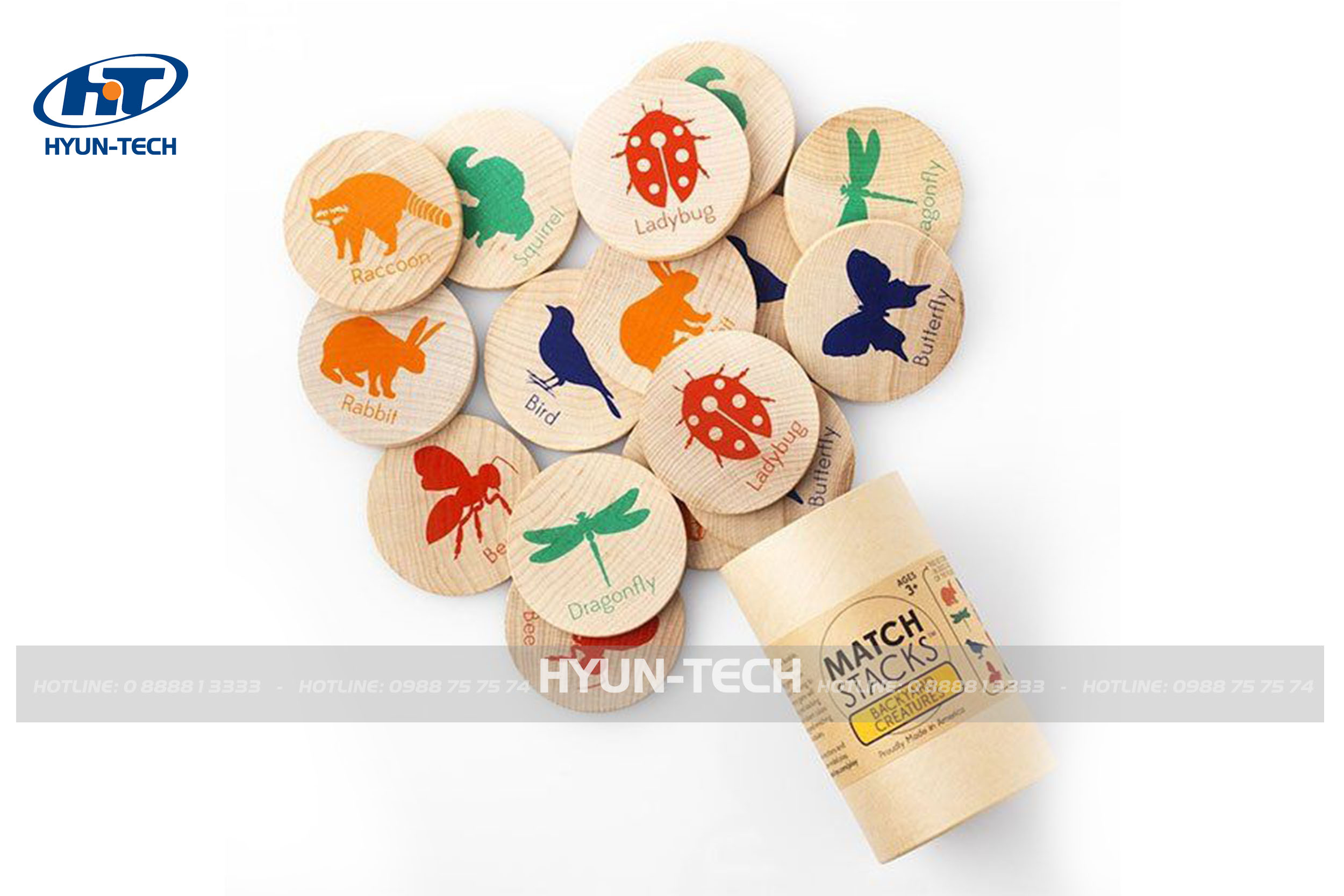
Different decoration technologies serve different production requirements. The most appropriate choice depends on the shape of the toy, artwork complexity, production volume, tooling requirements, and durability expectations.
| Criteria | Heat transfer printing | Pad printing | Screen printing | Direct digital printing |
|---|---|---|---|---|
| Graphic complexity | Suitable for detailed, multicolor designs with a compatible film | Often suited to smaller printed areas | Effective for selected solid-color graphics | Suitable for detailed digital artwork |
| Surface shape | Depends on film and equipment; curved surfaces require validation | Useful for selected curved or irregular surfaces | Often best for accessible surfaces | Depends on printer capability and geometry |
| Setup requirements | Transfer film and suitable equipment | Pad, cliché, and setup | Screen preparation and setup | Digital artwork and compatible printing system |
| Batch suitability | Can be effective for repeat production | Often useful for repeated small-area graphics | Often attractive for repeat designs | Useful for variable artwork and short runs |
| Main considerations | Film compatibility, heat control, and transfer quality | Image distortion and pad access | Surface access, registration, and setup | Substrate adhesion, equipment, and curing requirements |
No process is universally superior. A sample comparison using the actual toy material and artwork is the most reliable way to assess print quality, production efficiency, and total decoration cost.
Heat Transfer Printing on Plastic Toys: Price and Cost Factors
The cost of heat transfer printing depends on the transfer film, printed area, artwork complexity, material compatibility, order quantity, production process, and inspection requirements.
Because these variables differ between projects, a universal price per toy would be misleading. The following table outlines the main quotation components manufacturers should evaluate.
| Cost component | Main pricing factors | Information needed for quotation |
|---|---|---|
| Heat transfer film | Film type, width, construction, and order volume | Required film specification and quantity |
| Artwork and setup | Number of designs, colors, and revisions | Artwork files and print dimensions |
| Tooling or fixtures | Product geometry and alignment requirements | Toy drawings or physical samples |
| Transfer processing | Cycle time, labor, equipment, and yield | Expected production volume |
| Quality inspection | Test scope and acceptance criteria | Required inspection and testing plan |
| Packaging and delivery | Packaging format, destination, and shipping terms | Delivery location and packing requirements |
Indicative Pricing Framework for Plastic Toy Decoration
The following is a quotation-planning framework, not a verified market price list or a confirmed Hyuntech quotation.
| Project type | Typical cost profile | Recommended next step |
|---|---|---|
| Prototype or sample testing | Higher setup cost per unit because the quantity is limited | Confirm film compatibility and sample requirements |
| Small production batch | Setup and material waste can contribute significantly to unit cost | Finalize artwork and production conditions |
| Medium-volume production | Costs depend on film consumption, cycle time, and yield | Request a project-specific quotation |
| Large-volume OEM production | Greater scope for process optimization and purchasing efficiencies | Compare total cost at different order quantities |
| Complex multicolor or curved designs | May require specialized film, fixtures, or additional process development | Submit samples and technical drawings for evaluation |
To receive an accurate quotation from Hyuntech, manufacturers should provide the toy material, product dimensions, decoration area, artwork, estimated order quantity, and expected durability requirements.
Request a heat transfer film quotation from Hyuntech to assess suitable material options and project costs before committing to mass production.
Why Choose Hyuntech for Heat Transfer Film Solutions?
Selecting a transfer film supplier is not only about purchasing a material. Manufacturers also need to consider substrate compatibility, print appearance, processing stability, supply consistency, and the ability to reproduce approved designs across production batches.
Hyuntech focuses on heat transfer film and in-mold labeling (IML) film solutions for industrial decoration applications. For plastic toy projects, the most effective starting point is to evaluate the intended application and determine which film construction and processing approach are appropriate.
Application-Based Material Selection
Different toy materials and surface shapes can require different transfer solutions. Sharing the plastic resin grade and a representative product sample helps narrow down suitable film options.
Support for OEM and Customized Production
Toy manufacturers and OEM suppliers often work with multiple designs, colors, and product models. A clearly defined artwork and sampling process helps establish repeatable decoration requirements before scaling production.
Focus on Consistent Decoration Quality
Film selection, processing conditions, and inspection criteria should be evaluated together. This approach helps manufacturers identify potential issues early and reduce avoidable production adjustments.
How to Request a Quotation
Contact Hyuntech with the following information:
- Toy material, such as ABS, PP, PS, PE, or another specified resin
- Product photos, drawings, or physical samples
- Required graphic design and decoration dimensions
- Estimated monthly or annual order quantity
- Target market and applicable product-safety requirements
- Desired delivery schedule and packaging requirements
With these details, the project can be assessed more effectively and a quotation can be prepared according to the actual application.
Contact Hyuntech to discuss heat transfer printing on plastic toys and identify a suitable film solution for your production requirements.
Frequently Asked Questions About Heat Transfer Printing on Plastic Toys
What is heat transfer printing on plastic toys?
Heat transfer printing is a decoration process that transfers pre-printed graphics from a specially prepared film onto a compatible plastic surface using controlled heat and pressure. It can be used for character graphics, logos, patterns, and other decorative details.
Which plastics can be used for heat transfer printing?
ABS, PP, PE, PS, PVC, and PC may be considered for specific applications, but compatibility varies by resin grade, surface condition, film construction, and processing method. Sample testing is recommended before mass production.
Is heat transfer printing suitable for mass production of plastic toys?
Yes, it can be suitable for repeat production when the film, equipment, fixtures, and process parameters are properly matched. Actual productivity and unit cost depend on product geometry, cycle time, setup requirements, and production volume.
How much does heat transfer printing on plastic toys cost?
The price depends on film specifications, artwork complexity, decoration area, order quantity, tooling, processing time, and quality requirements. Manufacturers should submit product details and estimated quantities to obtain an accurate quotation from Hyuntech.
Is heat transfer printing safe for children’s toys?
Safety depends on the materials used and the compliance of the finished toy with the applicable requirements in its destination market. Manufacturers should assess relevant chemical, migration, durability, and toy-safety requirements rather than relying solely on a film specification.
HyunTech – Heat Transfer Films & Industrial Printing Solutions
Hotline: 0332 837 260 – 088.881.3333
Email: contact@hyuntech.com.vn
Office: Lot BT11, Eurowindow River Park Urban Area, Dong Hoi, Dong Anh, Hanoi, Vietnam
Factory: 312 Nguyen Van Linh, Hung Yen, Vietnam
Website: https://hyuntech.com.vn/
Bài viết cùng chủ đề
-
 Heat Transfer Printing on Glass Cups | Hyuntech
-
 Disadvantages of In Mould Labeling You Must Know
-
 Heat Transfer Printing on Aluminum | HyunTech
-
 Advanced Packaging Printing Solutions for Industry
-
 Plastic Container Printing Solutions for Packaging
-
 Innovative Dairy Packaging Solutions for Milk & Yogurt Brands