Heat Transfer Printing on Glass Jars | HyunTech
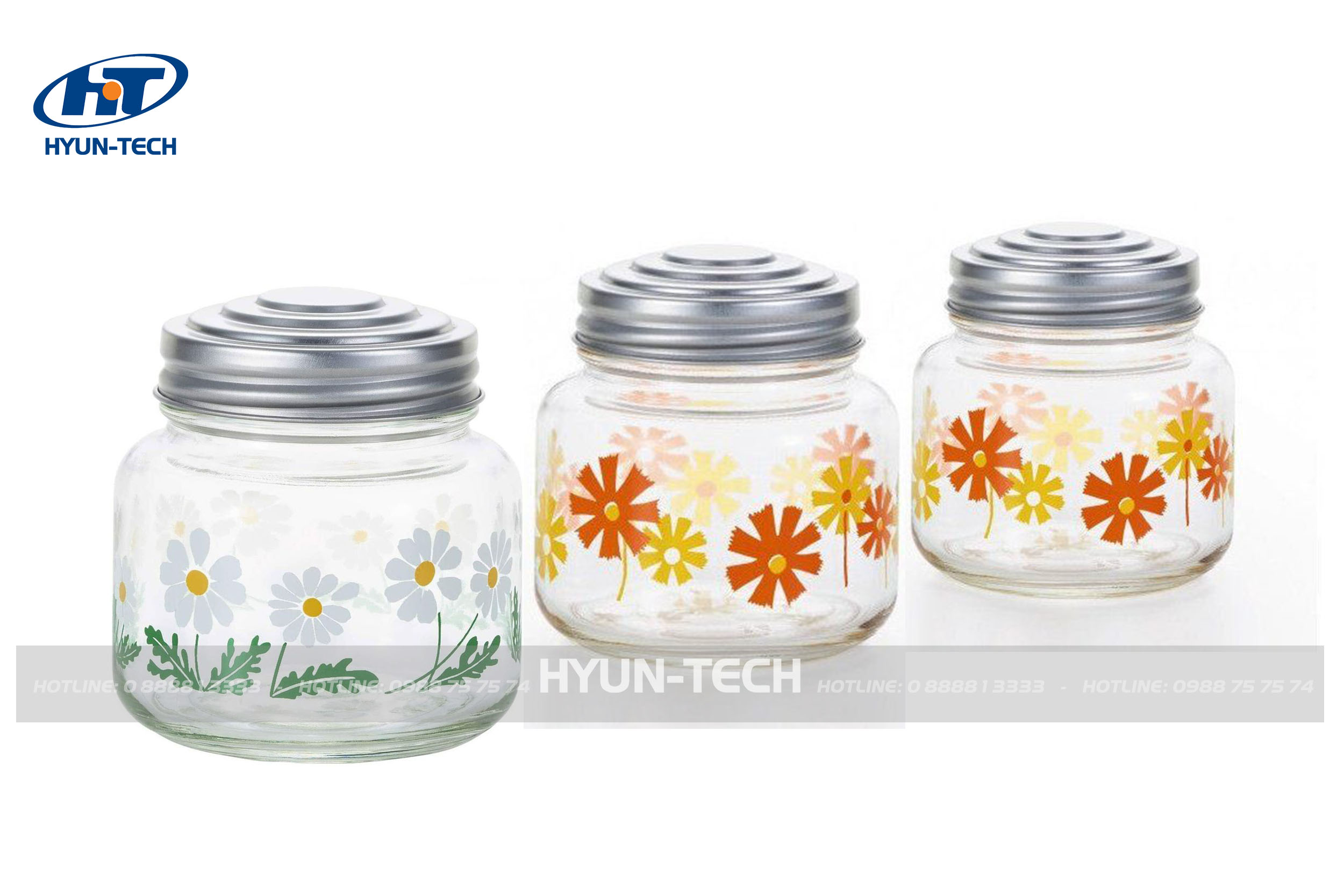
Heat transfer printing on glass jars is a potential decoration solution for manufacturers seeking customized packaging for cosmetics, skincare products, food containers, candles and premium gifts. With a compatible transfer system and properly prepared surface, glass jars can feature decorative graphics, brand logos and product designs that help businesses create distinctive packaging.
For B2B manufacturers, selecting the right printing technology requires careful consideration of glass composition, surface coatings, jar geometry, adhesion, production volume and cost. Not every heat transfer film is suitable for untreated glass, so technical evaluation and sample testing are important before mass production.
HyunTech provides industrial printing and heat transfer film solutions for rigid products. This article explores glass jar printing methods, technical requirements, estimated prices and key considerations for businesses developing customized packaging.
What Is Heat Transfer Printing on Glass Jars?
Heat transfer printing is a decoration process that transfers a pre-printed design from a specialized film or transfer medium onto a compatible surface under controlled application conditions.
For glass jars, suitability depends on the glass surface, coating, transfer material and processing method. Some applications may require a compatible coating or specialized transfer system, while other products may be better suited to screen printing, UV printing or labeling.
Common applications include:
- Cosmetic and skincare jars.
- Cream and lotion containers.
- Glass food storage jars.
- Candle jars and home fragrance packaging.
- Premium gift jars and promotional products.
- Customized glass containers for OEM and private-label brands.
The objective is to achieve a consistent appearance while meeting the product’s functional and durability requirements.
Read more:
Heat Transfer Printing on Wood | HyunTech
Heat Transfer Printing on Glass Cups | Hyuntech
Heat Transfer Printing on Plastic Housings | Hyuntech
Heat Transfer Printing on Plastic Bottles | HyunTech
Heat Transfer Printing on Plastic Caps | Hyuntech
Heat Transfer Printing on Plastic Cups | Hyuntech
Heat Transfer Printing on Plastic Trays | Hyuntech
Heat Transfer Printing on Plastic Containers | Hyuntech
Heat Transfer Printing on Plastic Parts | Hyuntech
Heat Transfer Printing on Plastic Toys | Hyuntech
Heat Transfer Printing on Metal Boxes | Hyuntech
Heat Transfer Printing on Metal Bottles | Hyuntech
Heat Transfer Printing on Metal Utensils | HyunTech
Heat Transfer Printing on Glass Bottles | HyunTech
Heat Transfer Printing on Glass Jars | HyunTech
How Does Heat Transfer Printing on Glass Jars Work?
Glass Surface Preparation
The glass surface must be clean, dry and compatible with the selected transfer system. Oil, dust, fingerprints and production residues can affect adhesion and appearance.
For coated glass jars, the coating must be evaluated for compatibility with the transfer material and application conditions. Surface preparation should follow the supplier’s technical recommendations.
Artwork Preparation and Transfer Film Selection
Artwork is prepared according to the jar dimensions, printable area, logo placement and color requirements. The transfer film and ink system must be suitable for the specific glass surface or coating.
For cylindrical jars, designers should account for curvature and the distance between the graphic and the jar’s edges. Testing the design on an actual sample helps identify alignment or distortion issues.
Controlled Transfer Application
The transfer material is positioned on the jar and applied using suitable equipment. Temperature, pressure and dwell time depend on the film, surface coating, jar geometry and equipment.
Glass requires particular care because rapid temperature changes can cause thermal stress. The application process should be validated using representative samples rather than relying on universal temperature settings.
Finishing and Quality Inspection
After transfer, the jar is inspected for incomplete graphics, scratches, color variation, alignment issues and other visible defects. Adhesion and durability tests should be conducted according to the product’s intended use.
Which Glass Jars Are Suitable for Heat Transfer Printing?
Cosmetic and Skincare Glass Jars
Cosmetic jars often require precise logos, decorative graphics and a consistent premium appearance. The selected transfer system must be compatible with the glass finish and any existing coating.
Food Storage and Packaging Jars
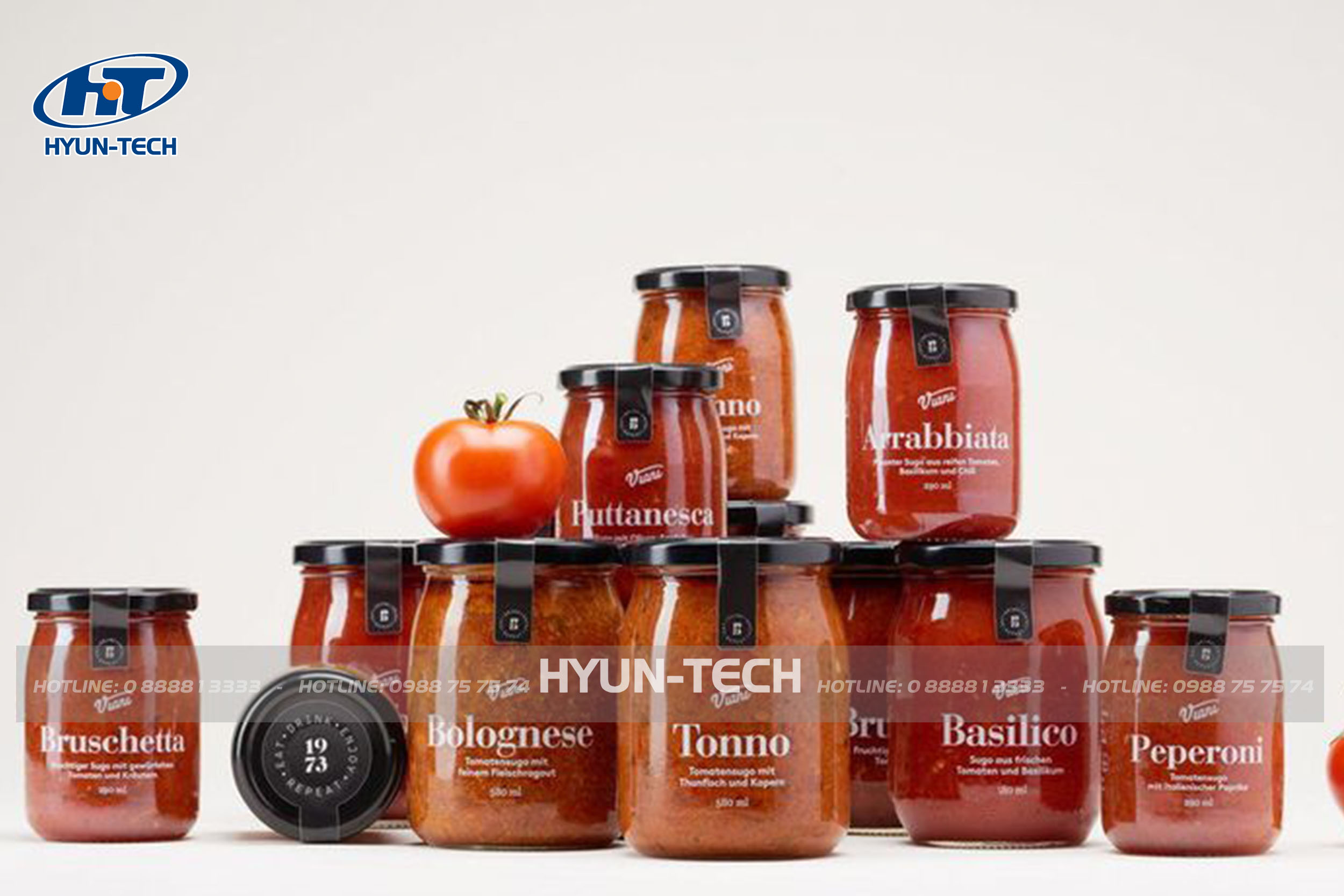
Glass food jars can be considered for customized decoration, subject to the surface and intended use. The printing process alone does not establish food-contact safety. Applicable regulatory requirements must be evaluated separately.
Candle and Home Fragrance Jars
Candle jars and home fragrance containers can benefit from customized branding and decorative designs. If the jar will be exposed to elevated temperatures during use, the decoration and coating must be evaluated for the intended conditions.
| Glass jar type | Typical application | Main consideration |
|---|---|---|
| Cosmetic jars | Skincare and beauty packaging | Surface finish and logo precision |
| Food storage jars | Food packaging and storage | Intended use and applicable safety requirements |
| Candle jars | Home fragrance products | Heat exposure and coating compatibility |
| Gift jars | Promotional and premium products | Design consistency and appearance |
| Private-label jars | OEM and ODM packaging | Repeatability across production batches |
Technical Specifications for Glass Jar Heat Transfer Printing
There is no single set of technical parameters suitable for every glass jar. Specifications should be established for the selected substrate, coating, transfer material and equipment.
| Parameter | What to evaluate |
|---|---|
| Substrate | Glass composition, dimensions and shape |
| Surface finish | Untreated glass, coated or decorated glass |
| Transfer material | Film construction, release properties and ink compatibility |
| Application temperature | Validated range for the complete transfer system |
| Pressure | Uniform contact without damaging the jar |
| Dwell time | Sufficient transfer without excessive thermal stress |
| Print quality | Color accuracy, sharpness and placement |
| Adhesion | Performance on the selected surface |
| Durability | Resistance to handling, abrasion and intended cleaning |
| Production consistency | Variation between individual jars and batches |
Quality Testing Before Mass Production
A practical testing program should include visual inspection and a suitable adhesion assessment. Additional tests may evaluate abrasion resistance, cleaning resistance and coating integrity.
Manufacturers should define acceptance criteria before production, including print position, color consistency and acceptable surface defects. Sample approval is especially important when launching a new product or changing the glass supplier.
Advantages of Heat Transfer Printing on Glass Jars
Customized Branding and Product Differentiation
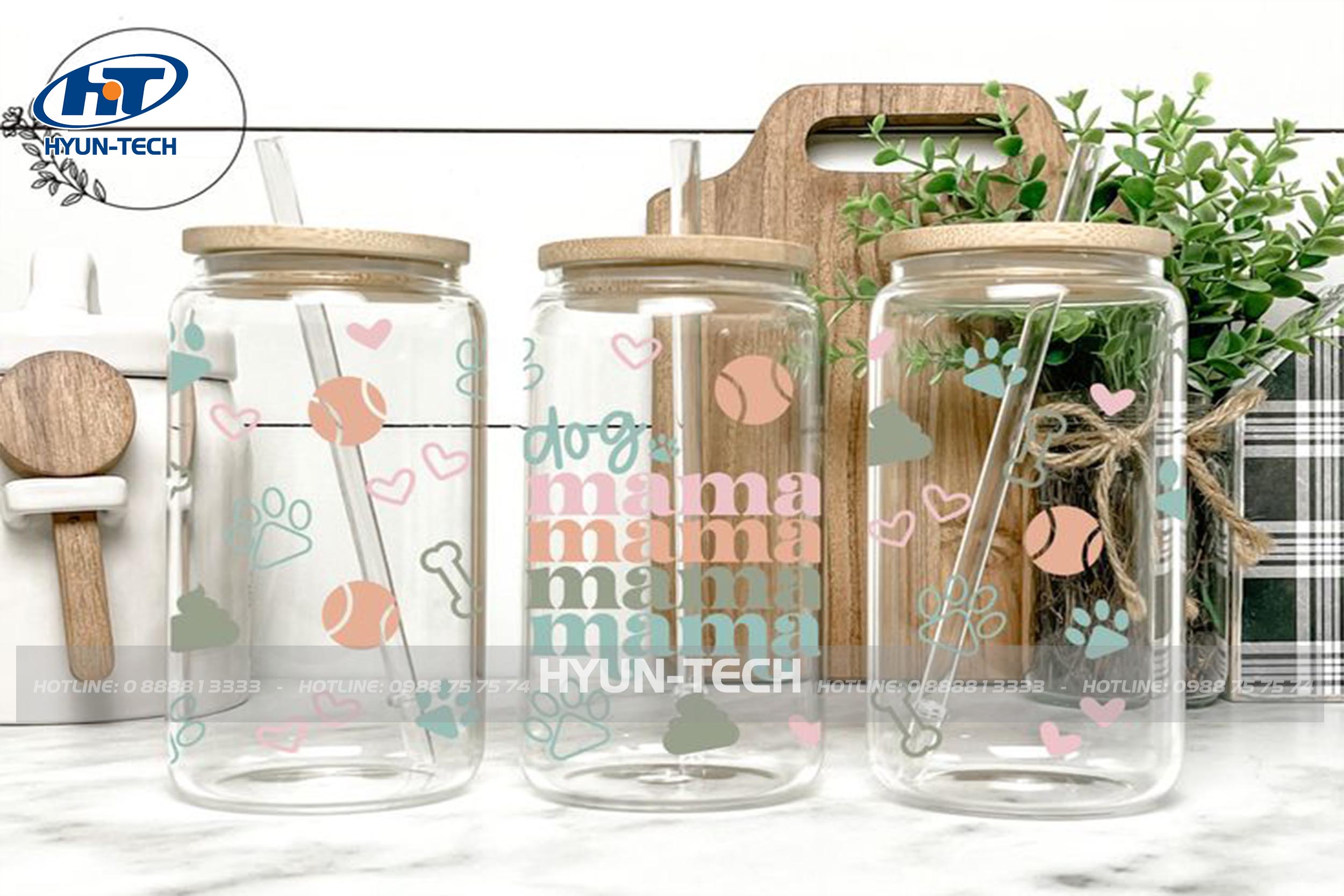
Customized graphics can help brands distinguish their products from competing packaging. Depending on the transfer system, manufacturers can develop designs for logos, decorative patterns and branded collections.
Flexible OEM and ODM Packaging
Private-label manufacturers can customize designs for different customers, product lines and promotional campaigns. This flexibility is valuable in the cosmetics, home fragrance, gifting and packaging industries.
Consistent Production for Bulk Orders
Approved artwork, compatible materials and controlled processing conditions help manufacturers maintain consistent results across repeat orders. Standardized inspection procedures can reduce avoidable defects.
Cost Planning for Larger Production Runs
The cost per jar depends on setup, transfer material consumption, labor, equipment, quality inspection and production volume. A complete cost analysis should include setup expenses and potential rejection rates rather than considering film prices alone.
Heat Transfer Printing vs. Other Glass Jar Decoration Methods
| Method | Advantages | Considerations |
|---|---|---|
| Heat transfer printing | Customized graphics using compatible transfer systems | Requires material and process validation |
| Screen printing | Suitable for repeat designs and selected bulk orders | Setup and color changes affect cost |
| UV printing | Digital customization and flexible artwork | Adhesion and durability depend on the surface |
| Labeling | Flexible designs and packaging options | Labels may peel or wear under certain conditions |
| Direct glass printing | Can decorate compatible glass surfaces | Equipment, ink and curing requirements vary |
The most suitable method depends on jar shape, artwork, order quantity, required durability and budget. Manufacturers should compare samples produced using the relevant technologies before making a final decision.
Heat Transfer Printing on Glass Jars: Estimated Pricing
The following figures are illustrative budgeting estimates in USD, not verified HyunTech quotations or confirmed market prices. Actual prices depend on project specifications and supplier assessment.
| Cost component | Illustrative estimate | Pricing factors |
|---|---|---|
| Artwork and setup | $50–$200 per design | Design complexity and preparation |
| Sample development | $30–$150 per project | Number of samples and testing |
| Transfer materials | $0.03–$0.20 per jar | Film consumption and coverage |
| Printing and application | $0.10–$0.50 per jar | Process, labor and jar geometry |
| Quality inspection | $0.02–$0.10 per jar | Inspection scope and volume |
These costs may be bundled into a single unit price rather than charged separately.
Example of Estimated Production Costs
| Cost component | 1,000 jars | 10,000 jars |
|---|---|---|
| Setup and artwork | $100 | $100 |
| Transfer materials | $150 | $1,000 |
| Printing and application | $250 | $1,500 |
| Quality inspection | $50 | $300 |
| Estimated total | $550 | $2,900 |
| Estimated cost per jar | $0.55 | $0.29 |
This hypothetical example excludes the glass jars themselves, packaging, shipping, taxes, tooling and additional testing. It is intended for preliminary budgeting only.
For a reliable quotation, provide the jar dimensions, surface finish, artwork, quantity, intended use and delivery requirements.
Why Choose HyunTech for Glass Jar Printing Solutions?
HyunTech supports B2B customers seeking industrial printing and heat transfer film solutions for rigid products. For glass jar projects, technical compatibility should be evaluated before selecting the decoration method.
Technical Evaluation for Your Application
Share product photographs, drawings, glass specifications and surface details so the requirements can be reviewed. Sample testing can help establish whether the proposed transfer system is appropriate for the application.
Support for OEM and ODM Manufacturers
Manufacturers developing customized packaging need consistent decoration, repeatable quality and reliable production planning. HyunTech can discuss your project requirements and evaluate suitable printing or transfer solutions.
Request a Consultation and Quotation
To start your project, prepare the glass jar type, dimensions, surface finish, artwork, estimated quantity and required durability. These details help establish the technical scope and quotation requirements.
Contact HyunTech to discuss your glass jar printing project and request a tailored B2B consultation.
Website: https://hyuntech.com.vn/
International website: https://hdecal.com.vn/
Frequently Asked Questions About Heat Transfer Printing on Glass Jars
Can heat transfer printing be used on glass jars?
Yes, selected glass jars can be decorated using compatible transfer systems. Suitability depends on the glass surface, coating, transfer material and processing conditions. Sample testing is recommended before mass production.
What temperature is required for heat transfer printing on glass jars?
There is no universal temperature for every glass jar. The correct conditions depend on the transfer system, surface coating and equipment. Testing must also account for the risk of thermal stress.
Is heat transfer printing durable on glass jars?
Durability depends on material compatibility, adhesion and intended use. Testing may include abrasion, handling and cleaning resistance. Performance should be validated against the product’s actual requirements.
How much does heat transfer printing on glass jars cost?
Pricing varies according to order quantity, artwork complexity, printing area, transfer materials and quality requirements. Suppliers need product specifications and estimated volumes to prepare an accurate quotation.
Can HyunTech support customized glass jar printing projects?
HyunTech can discuss industrial printing and heat transfer film requirements for rigid products. Provide your jar specifications, surface finish and artwork so the suitability of the proposed solution can be evaluated.
Start Your Glass Jar Printing Project with HyunTech
Heat transfer printing on glass jars offers opportunities for customized packaging and brand differentiation when the glass surface and transfer system are compatible.
Selecting suitable materials, validating application conditions and establishing clear quality standards are essential for reliable production.
Contact HyunTech today to discuss your glass jar decoration requirements, evaluate sample testing and explore a suitable B2B printing solution for your business.
HyunTech – Heat Transfer Films & Industrial Printing Solutions
Hotline: 0332 837 260 – 088.881.3333
Email: contact@hyuntech.com.vn
Office: Lot BT11, Eurowindow River Park Urban Area, Dong Hoi, Dong Anh, Hanoi, Vietnam
Factory: 312 Nguyen Van Linh, Hung Yen, Vietnam
Website: https://hyuntech.com.vn/
Bài viết cùng chủ đề
-
 What is In Mould Labeling? Process & Cost 2026
-
 Heat Transfer Printing on Plastic Products | HyunTech
-
 What Is In-Mould Labeling (IML)?
-
 Heat Transfer Printing on Plastic Household Products
-
 OEM Packaging Printing Solutions for Private Label Brands
-
 Heat Transfer Film for Plastic Packaging: Applications & Benefits