Heat Transfer Printing on All Materials – Great Price, High Quality
Heat Transfer Printing on All Materials – Great Price, High Quality
This is one of the most preferred printing outsourcing services today. It delivers vibrant and sharp image quality, along with low printing costs and fast processing time. With advanced technology, customers gain an ideal printing solution applicable to all materials such as PET plastic, ABS plastic, PP plastic, HDPE plastic, aluminum, coated metals, glass, wood, and more.
As market demand for heat transfer printing continues to grow and diversify, Hyun-tech stands out for its reliability and professionalism. With us, customers can feel completely assured and satisfied—from product quality and pricing to our supportive sales policies.
What Is Heat Transfer Printing?
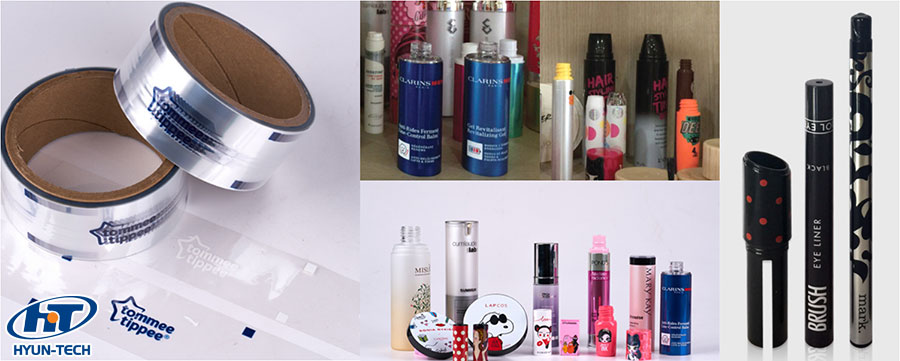
Heat transfer printing is a printing technique that uses heat to melt the printed layer on transfer paper or other specialized materials. Once heated, the image adheres firmly to the target surface. Heat transfer printing on all materials is an indirect printing method, different from direct-to-garment (DTG) printing. Simply put, “heat transfer printing” is the process of printing images onto a transfer sheet, then applying heat and pressure to transfer the image onto the desired material.
This printing technology relies entirely on heat. When exposed to high temperatures, the coating on the ribbon melts and bonds to the target material—such as paper, fabric, PET plastic, ABS plastic, PP plastic, HDPE plastic, aluminum, coated metals, glass, wood, and more. As a result, the printed patterns and images become vivid, sharp, and detailed.
Printing Technology and Heat Transfer Process
-
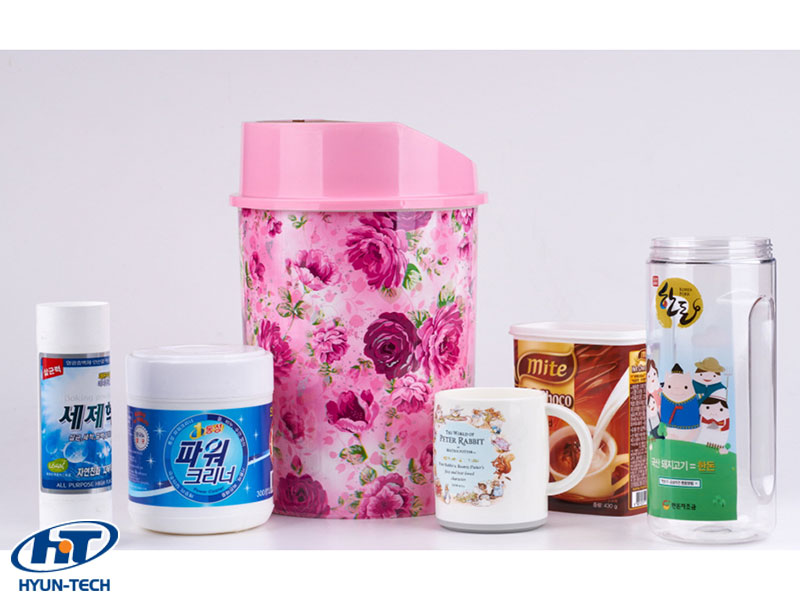
Heat transfer printing uses digital printing technology to print onto solid transfer materials such as heat transfer paper or specialized sublimation media. After printing, a heat press machine—such as a flat heat press, roll press, multifunction heat press, or mug press—is used to transfer the image onto materials like fabric, ceramic mugs, cups, bags, glass, metal, and more. This technique is widely used in the fashion textile industry, gift manufacturing, and fine arts.
-
The heat transfer process involves the exchange of heat between the printed sheet and the target material. In sublimation heat transfer technology, the ink particles sublimate when exposed to high temperatures, turning into gas and bonding firmly with the material surface. The intensity and sharpness of the transferred image depend on the temperature and the ink quality—higher heat and higher-quality ink produce richer and more accurate colors.
Equipment and Machinery Used for Heat Transfer Printing
Heat Transfer Paper
Heat transfer paper—also known as transfer paper—uses a digitally printed image. This type of paper is coated with a heat-sensitive chemical layer, a solid mixture of dyes. The coating typically combines a LEUCO Fluoran dye and Ctadecylphosphonic Acid. When the paper surface is heated above its melting point, the dye reacts and sublimates, transferring the image onto the material.
Heat Transfer Ink
Heat transfer ink is colorless at normal temperatures and only develops color when pressed at high temperatures. Thanks to this property, the printed content can temporarily adhere to the paper and then chemically bond to the target material during the transfer process. The small amount of ink left on the paper after pressing is negligible. Newly transferred products usually appear darker than those printed with water-based ink.
Heat Press Machines
Heat press machines are used to transfer printed designs onto various materials such as shirts, pants, PET plastic, ABS plastic, PP plastic, HDPE plastic, aluminum, coated metals, glass, wood, and more. Common heat press sizes include 38×38 cm, 40×60 cm, and 60×80 cm, as well as mug presses and 3D heat presses for items like phone cases. The machines must withstand high temperatures and offer durability and precision. Depending on the application, users can choose from flat heat presses, multifunction heat presses, and other specialized models.
Advantages and Disadvantages of Hdecal Heat Transfer Printing Technology
Advantages
-
Offers diverse, sharp, and vibrant colors with a wide range of image options. Users can freely choose designs, sizes, and color tones based on their preferences.
-
Excellent color retention with high saturation and accurate color temperature. Printed products resist fading, cracking, and water exposure.
-
Simple operation with minimal effort required due to modern, user-friendly equipment.
-
Superior print sharpness and advanced printing quality. Prints can withstand washing without fear of fading or deterioration.
-
Customers can request custom patterns, designs, or images as desired.
-
Can be applied to almost any printable area on the material.
-
Capable of mass production with fast turnaround time.
-
Ensures 100% uniformity across all printed products.
-
Overall printing cost is significantly lower than many other printing technologies.
Disadvantages
-
Heat transfer ink and materials are only suitable for certain common surfaces.
-
Cannot be used on rough, uneven, or heat-sensitive materials.
-
Limited compatibility with some material types.
-
When stretched, prints on light-colored fabrics may crack or distort.
-
Best suited for white fabrics; prints on non-white fabrics may be affected by fabric color, resulting in inaccurate or altered print colors.
-
Not compatible with many natural fabrics; it works best on synthetic fabrics like polyester, and not on materials sensitive to heat.
In summary, heat transfer printing offers numerous outstanding advantages, making it a preferred choice across many industries today. As demand grows, the market for this technology continues to expand and diversify.
How Is the Heat Transfer Film Production Process for All Materials Carried Out at Hdecal?
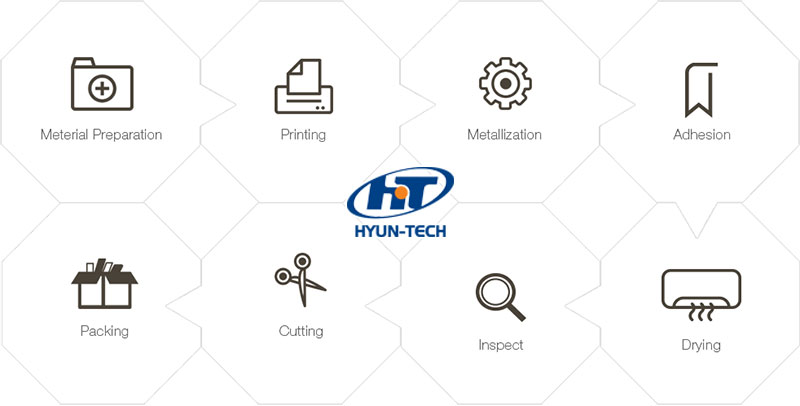
ƯU ĐIỂM CỦA FLIM TRUYỀN NHIỆT:
QUY TRÌNH KẾT HỢP:
- Trong in ấn truyền nhiệt chất lượng cao đặc biệt Decal là kết quả của sự pha trộn cẩn thận của các phương thức hoá học chính xác. Cùng với kinh nghiệm lâu năm, chúng tôi có kỹ thuật và bí quyết riêng kết hợp vật liệu hóa chất thiết yếu để làm lên sản phẩm tinh xảo.
PHƯƠNG THỨC HOẠT ĐỘNG:
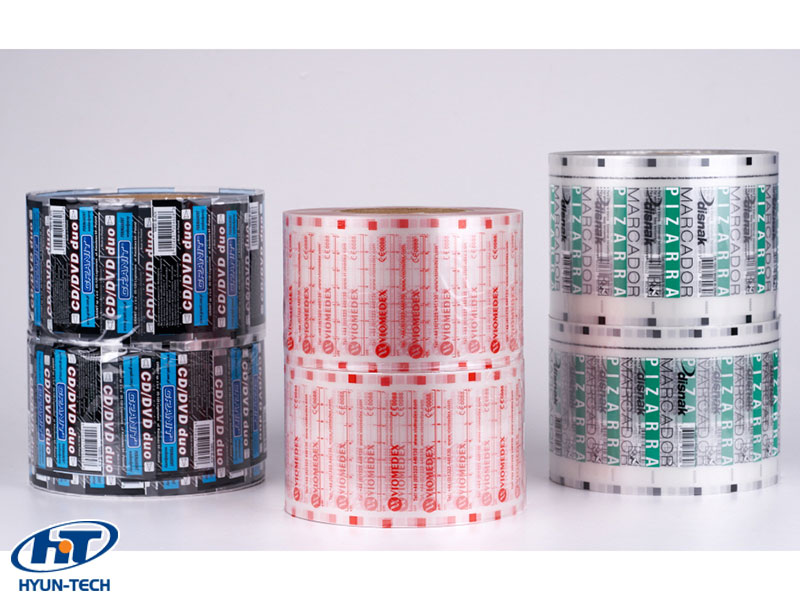
– Sản xuất theo thứ tự: Công nghệ in ống đồng là in chìm vào các khu vực hình ảnh được khắc thành một hình trụ đồng. Một khi chúng ta đã hoàn thành thiết kế của bạn, chúng tôi thực hiện việc làm trụ đồng. Chúng tôi gửi hình ảnh thiết kế đến máy sản xuất phim truyền nhiệt của chúng tôi và hình ảnh được in trên mặt dưới của một cuộn màng PET. Sau đó, màng PET đã in xong được phủ một lớp keo dính đặc biệt để tuân thủ chất lượng và đạt yêu cầu khắt khe cho sản phẩm của bạn. Tiếp theo, bộ phim được quấn trên lõi giấy, đóng thành từng kiện hàng và vận chuyển trực tiếp.
– Ứng dụng hình ảnh: Bằng cách dùng nhiệt và áp suất, hình ảnh được in sẽ được chuyển lên những sản phẩm. Những lớp hình ảnh riêng của bạn sẽ hoàn thành lên màng PET và dính vào các sản phẩm của bạn. Quá trình này sẽ cho phép bạn chuyển các hình ảnh thực tế với độ phân giải cao lên sản phẩm của bạn. Nó sẽ rất đơn giản nếu sản phẩm của bạn là phẳng hoặc hình trụ.

Premium Heat Transfer Printing Services on All Materials
Hyun-tech is a specialized facility providing heat transfer printing for pharmaceuticals, cosmetics, mesh printing, household products, paint buckets, and more. We offer printing services on all materials as required, and are recognized as one of the most reputable providers in Hanoi. With a team of professional technicians, we ensure quick and effective solutions for every customer need.
We offer heat transfer printing quotations for PET plastic, ABS plastic, PP plastic, HDPE plastic, aluminum and coated metals, glass, wood, and more.
Hyun-tech proudly delivers high–quality, cost-effective heat transfer outsourcing services, ensuring peace of mind and satisfaction for all customers.
Hotline: 08888.1.3333 – 0332 837 260 (Direct Consultation).
Our Commitments When You Choose Hdecal Heat Transfer Printing
-
As a company specialized in designing and printing on fabric, PET plastic, ABS plastic, PP plastic, HDPE plastic, aluminum and coated metals, glass, wood, and other materials, we have completed thousands of projects with excellent customer feedback. We are committed to maintaining our leading position in heat transfer printing in Hanoi, ensuring absolute peace of mind and satisfaction for all clients.
-
At Hyun-tech, all products and services are guaranteed to be produced using modern machinery and advanced technologies. If any completed product is found to be defective or of poor quality, our company will compensate 10 times the product value and contract amount.
-
Our experienced team of technicians and customer service specialists are always ready to support customers promptly and professionally.
-
Customers will experience all services directly at Hyun-tech, including full product consultation and demonstration.
If you are looking for a provider of heat transfer printing on all materials, Hyun-tech is your top choice. We specialize in heat transfer films and printing on fabrics, PET plastic, ABS plastic, PP plastic, HDPE plastic, aluminum and coated metals, glass, wood, and many other materials. We confidently supply high-quality products and premium services, closely monitoring every order to ensure outstanding results for our clients.
Contact Hotline: 0332 837 260 – 08888.1.3333 for Consultation and Support.
Bài viết cùng chủ đề
-
 High-Quality, Affordable Paint Bucket Printing Services
-
 Professional and Reliable Cosmetic Printing Outsourcing Service
-
 Affordable and High-Quality Pharmaceutical Printing Outsourcing Service
-
 Screen Printing Services on Various Materials with Guaranteed Quality
-
 Reliable and High-Quality Household Goods Printing Outsourcing Service
-
 High-Quality Industrial and Construction Printing Processing Services